Is Glaucoma Surgery Safe? Risks, Benefits, and Long-Term Success Statistics
If you are one of the 300,000 Australians living with glaucoma, the prospect of eye surgery can feel daunting. You may be asking yourself: Is glaucoma surgery safe? The short answer is yes—modern ophthalmic surgery is highly regulated and technically advanced. However, like any medical intervention, “safety” is balanced against the specific risks of the procedure and the even greater risk of permanent vision loss if the condition remains untreated.
In 2026, the landscape of glaucoma treatment in Australia has shifted significantly toward Minimally Invasive Glaucoma Surgery (MIGS), offering faster recovery times and lower complication rates than ever before. This guide provides a comprehensive breakdown of the safety profiles, clinical benefits, and long-term success statistics for glaucoma surgery in the Australian healthcare context.
See more:How Long Does Cataract Surgery Take? A Step-by-Step Timeline
What is Glaucoma Surgery and How Does it Work?
Glaucoma surgery aims to lower intraocular pressure (IOP). High eye pressure is the primary risk factor for damage to the optic nerve, which leads to irreversible blindness. When medicated eye drops or laser treatments (like Selective Laser Trabeculoplasty) no longer suffice, surgical intervention becomes the “gold standard” for preserving remaining sight.
The core mechanism of these surgeries is to improve the drainage of aqueous humour (the fluid inside the eye). By creating a new drainage pathway or enhancing the existing one, surgeons can stabilize eye pressure and prevent further nerve decay.
The Two Main Categories of Surgery
- Minimally Invasive Glaucoma Surgery (MIGS): Uses microscopic implants (like the iStent or Hydrus) or micro-incisions to improve fluid outflow. These are often performed alongside cataract surgery.
- Traditional Filtration Surgery: Includes procedures like Trabeculectomy or Glaucoma Drainage Devices (GDD). These are typically reserved for advanced cases where significant pressure reduction is required.
Is Glaucoma Surgery Safe? Evaluating the Risks
While no surgery is without risk, glaucoma procedures are considered very safe, especially when performed by RANZCO-accredited surgeons.
Common Side Effects (Temporary)
- Blurred Vision: Most patients experience fluctuations in vision for 1–2 weeks post-op.
- Mild Discomfort: A “gritty” sensation or slight aching is common as the eye heals.
- Redness and Swelling: These typically resolve within the first month.
Serious Risks and Complications
Though rare (occurring in less than 2-5% of cases), potential serious risks include:
- Hypotony: Eye pressure that drops too low, which can lead to structural changes.
- Infection (Endophthalmitis): A serious but rare risk managed with prophylactic antibiotic drops.
- Haemorrhage: Bleeding inside the eye at the time of surgery.
- Scarring: The body’s natural healing response can sometimes block the new drainage site, requiring a “needling” procedure to reopen it.
Clinical Benefits and Long-Term Success Statistics
In Australia, success is measured by the stabilization of eye pressure and the reduction of dependency on eye drops. Recent 2025–2026 clinical data highlights the following:
Success Rates by Procedure
| Procedure Type | 1-Year Success Rate | 5-Year Success Rate | Primary Benefit |
| MIGS (e.g., iStent) | 85% – 90% | 70% – 75% | Lower risk; fast recovery |
| Trabeculectomy | 80% – 95% | 60% – 70% | Massive pressure reduction |
| Tube Shunts (GDD) | 85% | 75% | Best for complex/refractory cases |
Expert Insight: “Success” does not mean your vision returns to 20/20. Because glaucoma damage is permanent, surgery is a preservation strategy. A successful surgery is one where the visual field remains stable and the optic nerve is no longer under stress.

The Surgical Process: What to Expect in Australia
If your ophthalmologist recommends surgery, the process usually follows a standardized framework designed for patient safety and comfort.
Step 1: Pre-Operative Assessment
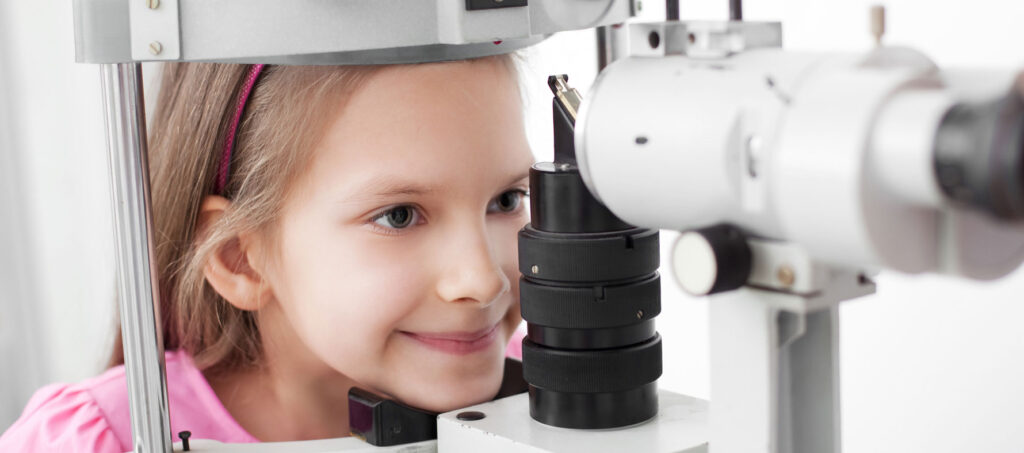
Your surgeon will perform a high-resolution OCT scan and a visual field test. In Australia, many MIGS procedures are now covered under specific Medicare Benefit Schedule (MBS) item numbers, making them more accessible.
Step 2: The Procedure
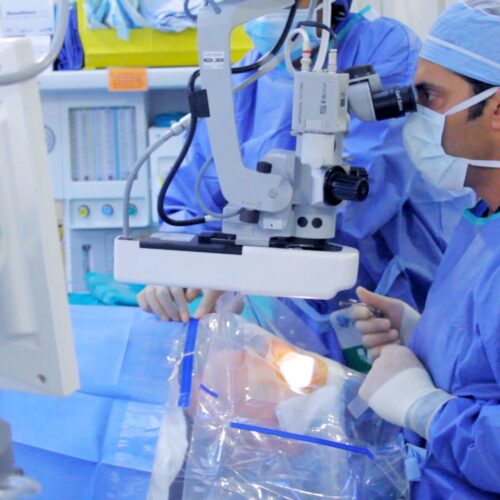
Most glaucoma surgeries are performed as day-case procedures under local anaesthetic and light sedation.
- MIGS: Takes roughly 10–15 minutes.
- Traditional Surgery: Can take 45–90 minutes.
Step 3: Post-Operative Care
Recovery in the first 48 hours is critical. You will be prescribed a strict regimen of:
- Antibiotic drops to prevent infection.
- Steroid drops to control inflammation and prevent scarring.
- Protective shields to wear while sleeping.
Best Practices for a Successful Outcome
To ensure the long-term safety and success of your glaucoma surgery, follow these expert-vetted best practices:
- Adhere to the Drop Schedule: Skipping steroid drops is the #1 cause of surgical failure due to scarring.
- Avoid Strenuous Activity: In the first 4 weeks, avoid heavy lifting (over 5kg) or bending over, as these increase venous pressure in the head.
- Sleep Position: Sleep on your back or the side opposite to the operated eye for the first week.
- Prompt Reporting: Contact your clinic immediately if you experience a sudden drop in vision, severe pain, or increased discharge.
Common Mistakes to Avoid
- Rubbing the Eye: This can dislodge microscopic stents or cause a “bleb” leak in trabeculectomy patients.
- Assuming the “Cure”: Many patients stop their follow-up appointments once their pressure is stable. Glaucoma is a lifelong condition; surgery manages it, but does not cure it.
- Waiting Too Long: Surgery is often more successful when performed before the drainage system is completely compromised.
Frequently Asked Questions (FAQ)
1. Is glaucoma surgery safe for elderly patients?
Yes. Most glaucoma patients in Australia are over 60. The use of local anaesthesia and minimally invasive techniques makes it a viable option for those with other health conditions.
2. Can I go blind from the surgery itself?
While any eye surgery carries a remote risk of vision loss, the risk of going blind from untreated glaucoma is significantly higher than the risk of the procedure.
3. How long does the “success” of the surgery last?
MIGS implants can last a lifetime, but their effectiveness may diminish over 5–10 years. Traditional surgeries like trabeculectomy may require “top-up” treatments or revisions if scarring occurs.
4. What is the cost of glaucoma surgery in Australia?
Under Medicare, surgery in a public hospital is free. In the private system, out-of-pocket costs typically range from $600 to $2,500 depending on your health fund and the complexity of the device used.
5. Will I still need eye drops after surgery?
Many MIGS patients can reduce their drop load from three types to one, or even zero. However, some patients with advanced disease will still require supplemental drops to maintain target pressure.
Conclusion: The Path Forward for Your Vision
When considering is glaucoma surgery safe, it is vital to weigh the minimal, manageable risks against the definitive risk of progressive vision loss. With Australian success statistics showing high rates of pressure stabilization, modern surgery remains the most effective tool for protecting your independence and quality of life.
If you are noticing changes in your vision or your eye drops are causing severe side effects, now is the time to act. Early surgical intervention, particularly with MIGS technology, offers a proactive way to “set and forget” your eye pressure management.
Next Step: Would you like me to help you draft a list of specific questions to ask your ophthalmologist during your next consultation regarding MIGS vs. traditional surgery?
Internal Linking Suggestions:
- glaucoma symptoms and early detection
- how to use eye drops correctly
- the cost of eye surgery in Australia
Authoritative External References:
- The Royal Australian and New Zealand College of Ophthalmologists (RANZCO)
- Glaucoma Australia Clinical Guidelines