
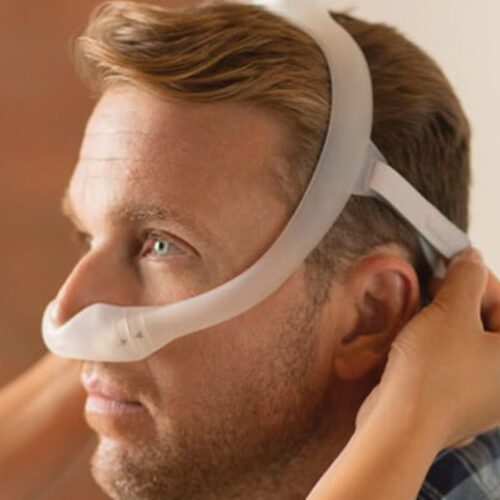
What problem are they actually trying to solve?
They should start by naming the issue in one sentence: leaks, dryness, skin marks, noise, rainout, sore nostrils, or strap discomfort. Most accessories only address one or two problems well, and stacking random fixes can create new ones.
If they are unsure, it is often smarter to adjust fit first, replace worn cushions, or review humidifier and hose settings before buying accessories.
Are the accessories compatible with their exact mask and machine?
When looking to buy a CPAP mask, they should confirm the exact model name, size, and cushion type, because “fits most” often does not mean “fits theirs.” Frame designs, elbow connectors, and headgear layouts vary significantly, even within the same brand.
If they use a heated hose or a specific brand of tubing, they should also verify connector sizes (commonly 15 mm slim or 22 mm standard). Incompatibility can cause leaks, added noise, or a loose connection that falls off overnight.
Is the accessory fixing wear-and-tear that should be solved with replacement parts?
If their cushion is old, accessories will not make it seal like new. A worn cushion, stretched headgear, or clogged filter can mimic “fit problems” and push people into buying extras they do not need.
As a rule, they should treat cushions and filters as routine consumables. If they are constantly tightening straps to stop leaks, that is often a sign the cushion or headgear is due for replacement, not a sign they need a strap pad. Click here to get more about 7 things to know about philips respironics oxygen concentrator.
Could the accessory change the seal, pressure, or leak rate?
Some comfort accessories can subtly change how the mask seals. Mask liners, gel pads, and strap covers can reduce irritation, but they can also introduce tiny gaps or shift how the cushion sits on the face.
They should watch their machine’s leak data if available. If leaks rise after adding an accessory, they may need to refit the mask, try a different liner thickness, or skip that add-on entirely.
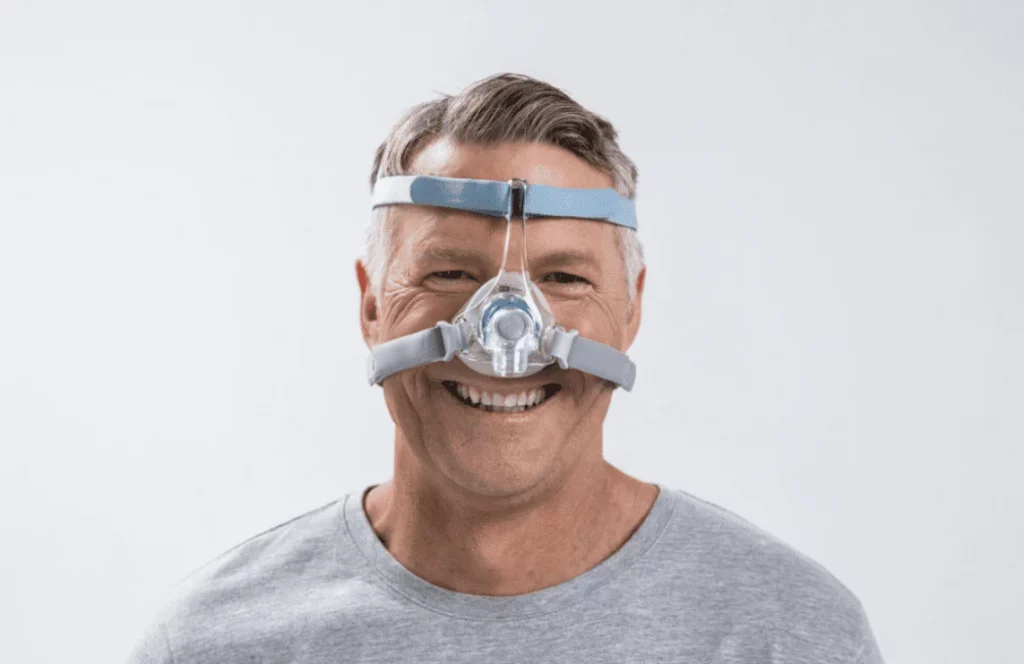
Are they choosing materials they can clean safely and replace affordably?
They should only buy materials that match their skin sensitivity and cleaning habits. Silicone, fabric, and foam each feel different and require different care. Scented detergents or harsh cleaners can degrade materials and irritate skin.
They should also price the long-term cost. Some accessories are cheap once but need frequent replacement, like disposable liners. Others cost more upfront but last longer, like hose covers and CPAP-friendly pillows.
If they keep it simple, the best CPAP accessories are the ones that solve a specific problem without creating a new one. When in doubt, they should confirm compatibility, replace worn parts first, and track whether comfort changes also change leak performance.
FAQs (Frequently Asked Questions)
What should I identify before buying CPAP mask accessories?
Before purchasing any CPAP mask accessories, you should clearly identify the specific problem you’re trying to solve, such as leaks, dryness, skin irritation, noise, rainout, sore nostrils, or strap discomfort. This helps ensure you choose an accessory that effectively addresses your issue without causing new problems.
How can I ensure CPAP accessories are compatible with my mask and machine?
To guarantee compatibility, confirm your exact mask model name, size, and cushion type since designs vary even within the same brand. Also verify connector sizes for hoses (commonly 15 mm slim or 22 mm standard), especially if using heated hoses or specific tubing brands. Using incompatible accessories can lead to leaks, noise, or loose connections.
When should I replace parts instead of buying new accessories?
If cushions are worn out, headgear is stretched, or filters are clogged, it’s better to replace these parts rather than rely on accessories to fix fit issues. Regularly treating cushions and filters as consumables helps maintain proper seal and comfort. Constantly tightening straps often indicates it’s time for replacement rather than adding strap pads.
Can CPAP mask accessories affect seal and leak rates?
Yes, some comfort accessories like mask liners, gel pads, or strap covers can subtly alter how the mask seals by introducing tiny gaps or shifting cushion position. It’s important to monitor your machine’s leak data after adding accessories; if leaks increase, consider refitting the mask, adjusting liner thickness, or discontinuing that accessory.
What materials should I choose for CPAP mask accessories considering cleaning and skin sensitivity?
Select accessory materials that match your skin sensitivity and cleaning routine. Common materials include silicone, fabric, and foam—each requiring different care. Avoid scented detergents or harsh cleaners that may degrade materials and irritate skin. Also consider long-term costs: disposable liners need frequent replacement while hose covers and CPAP-friendly pillows may cost more upfront but last longer.
How can I maximize comfort and effectiveness with CPAP mask accessories?
To maximize comfort and effectiveness, keep accessory choices simple by focusing on solving a specific problem without creating new ones. Always confirm compatibility with your equipment, replace worn parts before adding extras, and track any changes in comfort alongside leak performance to ensure optimal therapy adherence.