
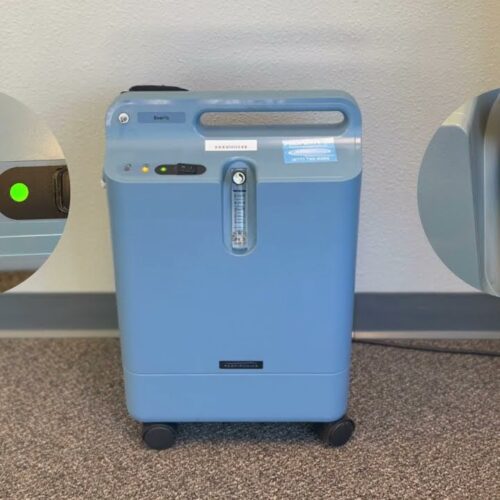
Below are seven practical things to know about Philips Respironics oxygen concentrators, written to help readers ask better questions before they rent or buy.
What exactly does a Philips Respironics oxygen concentrator do?
They pull in room air, filter it, and concentrate oxygen to a prescribed purity and flow, then deliver it through tubing and a cannula or mask. Devices such as the philips respironics oxygen concentrator can reduce the need for heavy oxygen tanks for many users.
A key point is that concentrators are prescription devices. Their clinician sets the flow requirements, and the device choice should match that prescription, not guesswork.
Which Philips Respironics models are people usually referring to?
Most discussions point to Philips Respironics stationary and portable concentrators, depending on whether the user needs oxygen mainly at home or while moving around. Stationary units are typically designed for continuous use in a fixed location, while portable units focus on mobility and battery operation.
Model availability can vary by country, supplier, and year. Readers should ask the seller for the exact model name and the user manual so they can confirm flow type, settings, and maintenance needs.
How do they decide between continuous flow and pulse dose?
They should start with the prescription and how oxygen is ordered: continuous flow, pulse dose, or specific settings for sleep and activity. Continuous flow delivers oxygen steadily and is often preferred for certain medical needs, including some nighttime use. Pulse dose delivers oxygen in bursts when the device senses inhalation and is often used for portability.
Other Resources : Physical activity and sleep – Chronic Conditions Manual
Not everyone can use pulse dose effectively. Anyone considering a portable unit should confirm, with a clinician, that pulse delivery is appropriate for their breathing patterns and oxygen saturation goals.
What should they know about power, batteries, and backup planning?
They should treat power planning as part of safety, not convenience. Stationary concentrators plug into the wall, so power outages matter. Portable units rely on batteries, so runtime depends on settings, battery age, and real world conditions.
A strong checklist includes asking about battery duration at their typical setting, recharge time, car charging options, and whether extra batteries are available. They should also ask their oxygen provider what backup oxygen is recommended for outages or travel delays.
How loud are they, and where can they place them at home?
They do produce noise from the compressor and cooling system, which can affect sleep or quiet rooms. Placement also matters for performance and safety: concentrators need space around vents, stable flooring, and distance from heat sources.
They should ask the supplier for the decibel range and placement guidance from the manual. If noise is a concern, they can plan for a location that balances airflow, tubing reach, and nighttime comfort.
What maintenance and filter care do they typically require?
They usually require routine filter cleaning or replacement, plus periodic checks recommended by the manufacturer and the oxygen provider. Filters are not optional. Dirty filters can reduce airflow, strain the unit, and potentially affect oxygen delivery.
They should ask what filters are user washable versus provider serviced, how often each is cleaned or replaced, and what warning indicators look like. They should also confirm whether the provider handles internal maintenance and how frequently the unit is serviced.
What should they verify before buying used or refurbished?
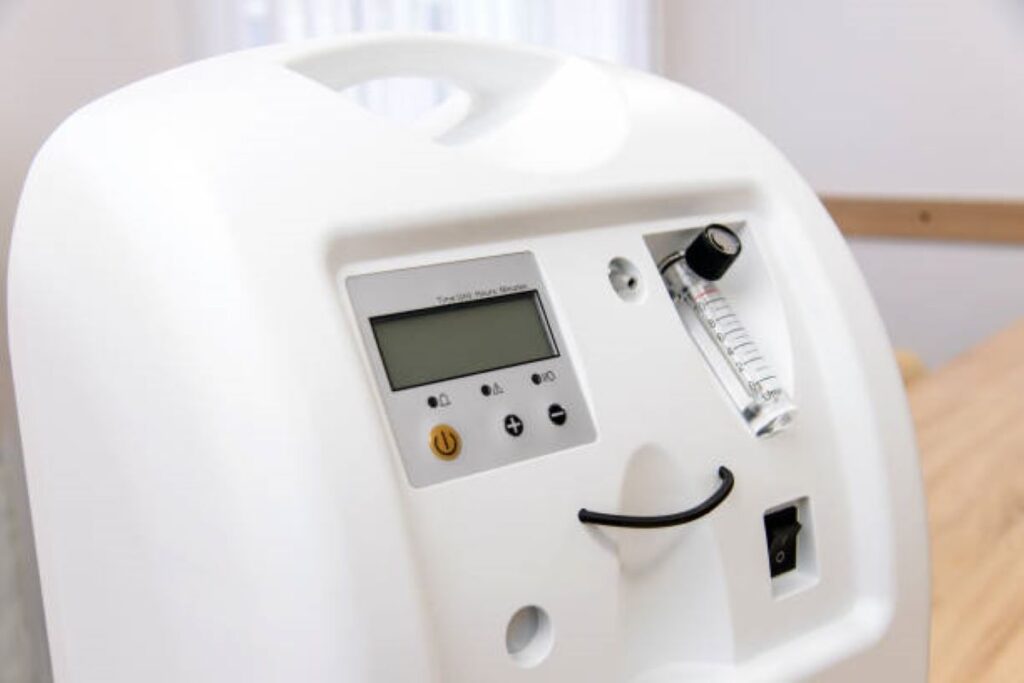
They should confirm hours of use, service history, and whether the unit was refurbished by an authorized or reputable medical equipment provider. A used concentrator can be fine, but only if its performance is verified and its consumables are replaced appropriately.
They should ask for documentation, return terms, and proof that the unit meets the oxygen purity and flow specifications at the settings they need. If the seller cannot provide clear answers, they should treat that as a red flag and look elsewhere.
Related : 5 Things to Know Before You Buy CPAP Mask Accessories
FAQs (Frequently Asked Questions)
What does a Philips Respironics oxygen concentrator do and how does it work?
A Philips Respironics oxygen concentrator pulls in room air, filters it, and concentrates oxygen to a prescribed purity and flow. It then delivers the oxygen through tubing and a cannula or mask, reducing the need for heavy oxygen tanks for many users. These devices are prescription-based, meaning their settings should match the clinician’s prescription for optimal use.
Which Philips Respironics oxygen concentrator models are commonly used?
Most users refer to either Philips Respironics stationary or portable oxygen concentrators. Stationary units are designed for continuous use at home, while portable units focus on mobility with battery operation. Model availability varies by country and supplier; therefore, it’s important to ask for the exact model name and user manual to confirm flow types, settings, and maintenance requirements.
How do I choose between continuous flow and pulse dose oxygen delivery?
Choice depends on your prescription and specific oxygen needs. Continuous flow delivers oxygen steadily and is often preferred for certain medical conditions, including nighttime use. Pulse dose delivers oxygen in bursts during inhalation, suitable for portability but not effective for everyone. Always consult your clinician to ensure pulse dose matches your breathing patterns and oxygen saturation goals before selecting a portable unit.
What should I consider regarding power supply, batteries, and backup plans?
Power planning is crucial for safety. Stationary concentrators require wall power; thus, power outages can affect usage. Portable units rely on batteries whose runtime depends on settings and battery condition. Ask about battery duration at your typical setting, recharge times, car charging options, availability of extra batteries, and recommended backup oxygen solutions from your provider for outages or travel delays.
How noisy are Philips Respironics concentrators and where should they be placed at home?
These concentrators produce noise from compressors and cooling systems that may affect sleep or quiet environments. Proper placement is important: ensure sufficient space around vents, stable flooring, and distance from heat sources to maintain performance and safety. Request decibel ranges from suppliers and follow manual placement guidance to balance airflow, tubing reach, and comfort.
What maintenance is required for Philips Respironics oxygen concentrators?
Routine filter cleaning or replacement is essential as dirty filters can reduce airflow and strain the unit. Users should know which filters are washable versus those requiring provider servicing, cleaning/replacement frequency, warning indicators of issues, and confirm if the provider handles internal maintenance along with service intervals to ensure optimal device performance.