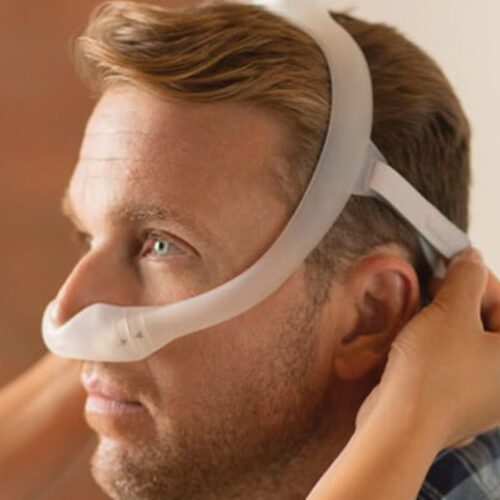
Buy CPAP Mask

5 Things to Know Before You Buy CPAP Mask Accessories

What problem are they actually trying to solve?

They should start by naming the issue in one sentence: leaks, dryness, skin marks, noise, rainout, sore nostrils, or strap discomfort. Most accessories only address one or two problems well, and stacking random fixes can create new ones.

If they are unsure, it is often smarter to adjust fit first, replace worn cushions, or review humidifier and hose settings before buying accessories.

Are the accessories compatible with their exact mask and machine?

When looking to buy a CPAP mask, they should confirm the exact model name, size, and cushion type, because “fits most” often does not mean “fits theirs.” Frame designs, elbow connectors, and headgear layouts vary significantly, even within the same brand.

If they use a heated hose or a specific brand of tubing, they should also verify connector sizes (commonly 15 mm slim or 22 mm standard). Incompatibility can cause leaks, added noise, or a loose connection that falls off overnight.

Is the accessory fixing wear-and-tear that should be solved with replacement parts?

If their cushion is old, accessories will not make it seal like new. A worn cushion, stretched headgear, or clogged filter can mimic “fit problems” and push people into buying extras they do not need.

As a rule, they should treat cushions and filters as routine consumables. If they are constantly tightening straps to stop leaks, that is often a sign the cushion or headgear is due for replacement, not a sign they need a strap pad. Click here to get more about 7 things to know about philips respironics oxygen concentrator.

Could the accessory change the seal, pressure, or leak rate?

Some comfort accessories can subtly change how the mask seals. Mask liners, gel pads, and strap covers can reduce irritation, but they can also introduce tiny gaps or shift how the cushion sits on the face.

They should watch their machine’s leak data if available. If leaks rise after adding an accessory, they may need to refit the mask, try a different liner thickness, or skip that add-on entirely.
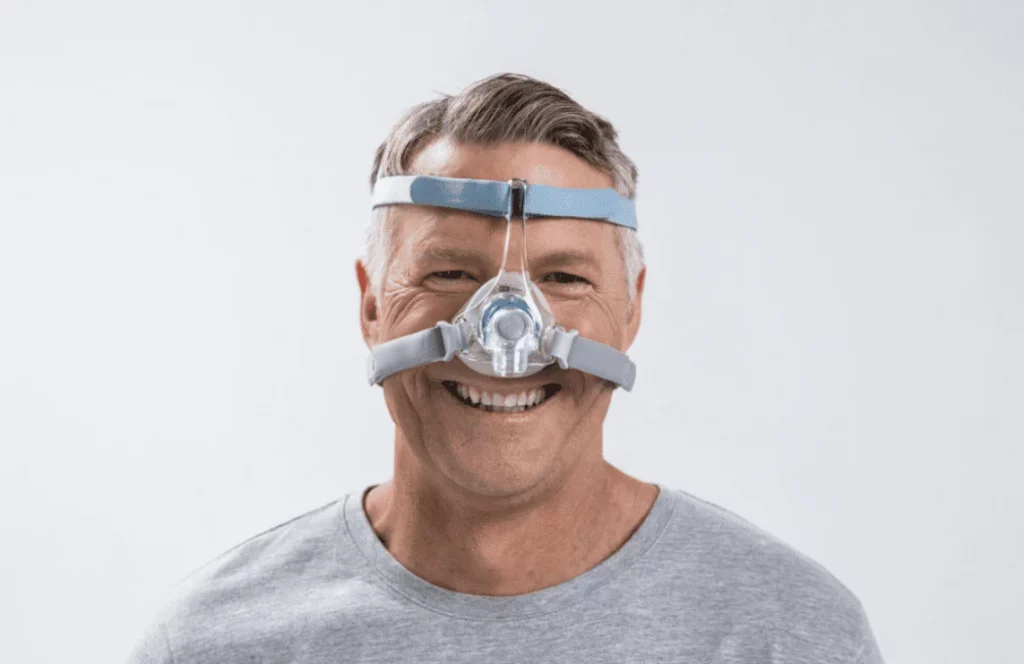
Buy CPAP Mask

Are they choosing materials they can clean safely and replace affordably?

They should only buy materials that match their skin sensitivity and cleaning habits. Silicone, fabric, and foam each feel different and require different care. Scented detergents or harsh cleaners can degrade materials and irritate skin.

They should also price the long-term cost. Some accessories are cheap once but need frequent replacement, like disposable liners. Others cost more upfront but last longer, like hose covers and CPAP-friendly pillows.

If they keep it simple, the best CPAP accessories are the ones that solve a specific problem without creating a new one. When in doubt, they should confirm compatibility, replace worn parts first, and track whether comfort changes also change leak performance.

FAQs (Frequently Asked Questions)

What should I identify before buying CPAP mask accessories?

Before purchasing any CPAP mask accessories, you should clearly identify the specific problem you’re trying to solve, such as leaks, dryness, skin irritation, noise, rainout, sore nostrils, or strap discomfort. This helps ensure you choose an accessory that effectively addresses your issue without causing new problems.

How can I ensure CPAP accessories are compatible with my mask and machine?

To guarantee compatibility, confirm your exact mask model name, size, and cushion type since designs vary even within the same brand. Also verify connector sizes for hoses (commonly 15 mm slim or 22 mm standard), especially if using heated hoses or specific tubing brands. Using incompatible accessories can lead to leaks, noise, or loose connections.

When should I replace parts instead of buying new accessories?

If cushions are worn out, headgear is stretched, or filters are clogged, it’s better to replace these parts rather than rely on accessories to fix fit issues. Regularly treating cushions and filters as consumables helps maintain proper seal and comfort. Constantly tightening straps often indicates it’s time for replacement rather than adding strap pads.

Can CPAP mask accessories affect seal and leak rates?

Yes, some comfort accessories like mask liners, gel pads, or strap covers can subtly alter how the mask seals by introducing tiny gaps or shifting cushion position. It’s important to monitor your machine’s leak data after adding accessories; if leaks increase, consider refitting the mask, adjusting liner thickness, or discontinuing that accessory.

What materials should I choose for CPAP mask accessories considering cleaning and skin sensitivity?

Select accessory materials that match your skin sensitivity and cleaning routine. Common materials include silicone, fabric, and foam—each requiring different care. Avoid scented detergents or harsh cleaners that may degrade materials and irritate skin. Also consider long-term costs: disposable liners need frequent replacement while hose covers and CPAP-friendly pillows may cost more upfront but last longer.

How can I maximize comfort and effectiveness with CPAP mask accessories?

To maximize comfort and effectiveness, keep accessory choices simple by focusing on solving a specific problem without creating new ones. Always confirm compatibility with your equipment, replace worn parts before adding extras, and track any changes in comfort alongside leak performance to ensure optimal therapy adherence.
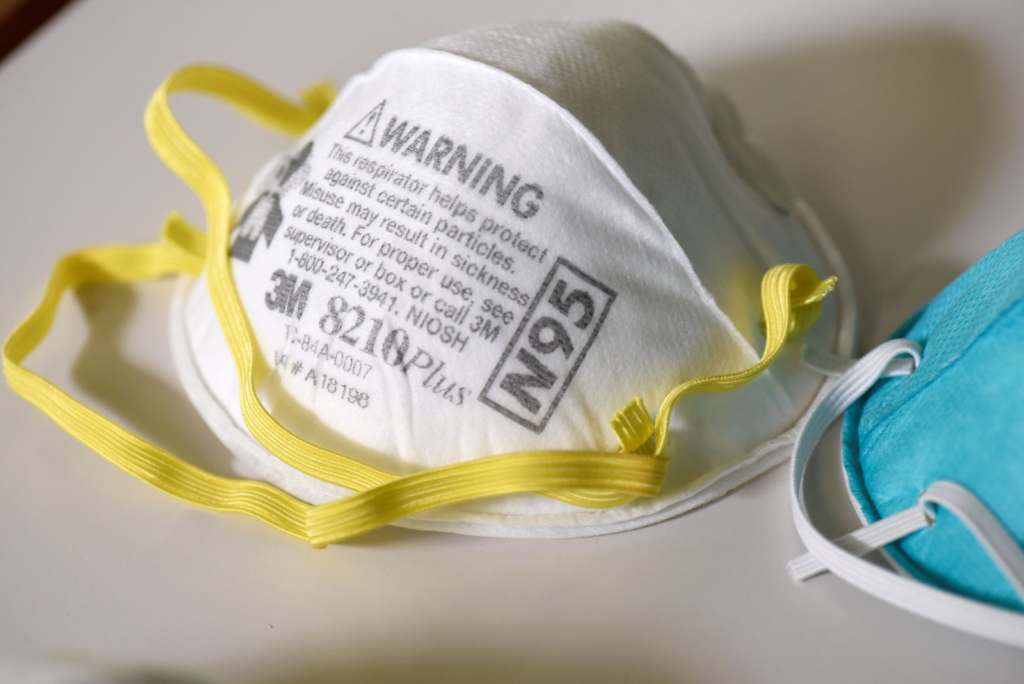
Different types of surgical masks

Different types of surgical masks 

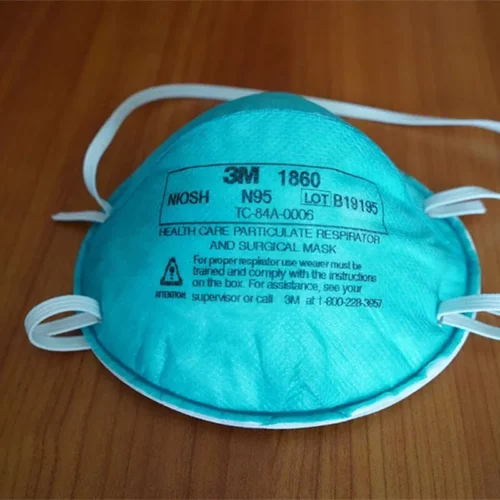
Each N95 differs from the next. N95s come in two major varieties: surgical masks and industrial masks. Industrial and surgical N95 respirators both provide various levels of protection appropriate for completely different uses.

N95 surgical respirators 

In addition to lowering the wearer’s exposure to airborne biological pollutants, surgical N95 respirators are made to provide some protection against liquid splashes like blood or bodily fluids. They are developed for usage in healthcare environments. A tight seal is created across the mouth and nose using surgical N95s. Surgical N95s must be periodically fit tested and customized to the wearer’s face in order to be most effective.

N95 surgical respirators 

The key differences between surgical N95s and industrial N95s

The FDA must authorize surgical N95s, which is the first requirement. The second is that surgical N95s are examined for biocompatibility and fluid resistance to make sure they won’t irritate or trigger allergies in users. Click here to read more about Consider these factors when buying disposable gloves.

Industrial N95 respirators

Industrial N95 respirators are designed for usage in areas including mining, construction, and metallurgy. Industrial N95s are intended to lessen exposure to certain airborne contaminants and oil-free aerosols. Although these respirators do not need FDA clearance, they do need NIOSH approval. Industrial N95 respirators, like surgical N95 respirators, function best when a tight seal is formed over the wearer’s mouth and nose. According to the OSHA Respiratory Protection Standard, workers in industrial environments must have their N95s routinely fit checked as well.

Industrial and surgical N95 respirators are similar in nature, however, they have different purposes. Industrial N95 respirators have been certified for usage in non-surgical healthcare facilities during a crisis circumstance like COVID-19.

Using a surgical mask when infected with the 2019 coronavirus

Stay at home if you have COVID-19 symptoms, with the exception of getting medical attention. If a surgical mask is offered, use it if you live with people or are seeing a doctor.

Though they cannot prevent infection with SARS-CoV-2, surgical masks may assist catch infectious respiratory secretions.

This may be a crucial tool for limiting the virus’s ability to infect those nearby.

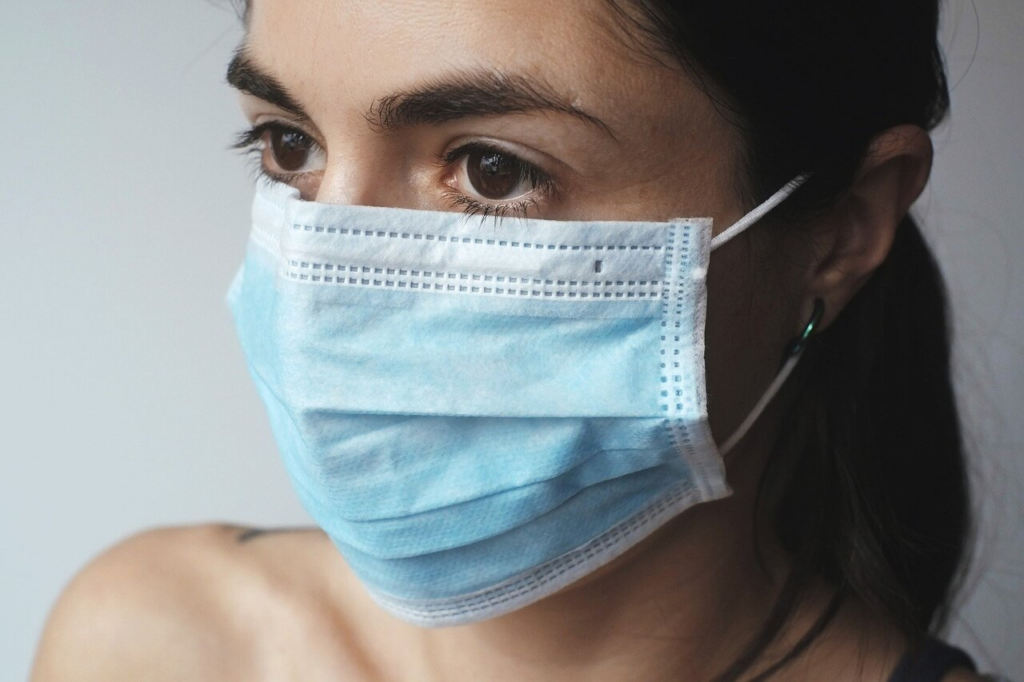
surgical mask

So, how exactly do you use a surgical mask? The steps are as follows:

  1. Wash your hands with soap and water or sterilize them with an alcohol-based product.
  2. Check the mask for rips or holes before donning it.
  3. Determine where the mask’s metal strip is. This is the mask’s top.
  4. Turn the mask so that the colored side is facing away from you, or outward.
  5. Position the top portion of the mask over your nose, shaping the metal strip to fit the contours of your nose.
  6. Carefully knot the long, straight ties behind your head or wrap the elastic bands behind your ears.
  7. Make sure the mask covers your lips, chin, and nose by pulling the bottom of the mask down.
  8. Make an effort not to touch the mask while you are wearing it. Make care to promptly wash your hands after touching or adjusting your mask.
  9. To remove the mask, loosen the ties or bands behind your head or behind your ears. Do not contact the mask’s front, which can be contaminated.
  10. Immediately throw away the mask in a closed trash can, and then wash your hands very well.

Several drugstores and supermarket shops carry surgical masks. They could be available for purchase online as well.

using surgical masks during the COVID-19 outbreak

Following are some guidelines to follow while using face masks during the COVID-19 pandemic:

  • Set aside N95 respirators for usage by first responders and healthcare professionals.
  • Surgical masks are disposable; they should only be used if you presently have COVID-19 or are at home with a person who cannot wear a mask. Don’t use them again.
  • If your surgical mask is soiled or broken, replace it.
  • Immediately after removing your surgical mask, throw it away in a closed trash can.

· Wash your hands before putting on and after removing your surgical mask. Additionally, if you contact the mask’s front while wearing it, wash your hands immediately.

If I’m taking care of someone who could have COVID-19, should I wear a mask?

There are precautions you may take in regards to surgical masks, gloves, and cleanliness if you are taking care of someone at home who has COVID-19. To achieve the following:

  • Place them in a different room in the house, away from other occupants, preferably with access to a private bathroom.
  • Provide them with a supply of disposable surgical masks, especially if they will be in close proximity to people.
  • Some COVID-19 patients may not be able to use a surgical mask because it can make breathing more difficult. If so, make a point of wearing one while attending to them in the same space.
  • When handling filthy clothes, use disposable gloves. After usage, place the gloves in a closed trash can and immediately wash your hands.
  • Use an alcohol-based hand sanitizer or soap and water to routinely wash your hands. If your hands aren’t clean, try to avoid touching your mouth, nose, or eyes.
  • Keep in mind to clean high-touch surfaces every day. Countertops, doorknobs, and keyboards fall under this category.

Takeaway

When it’s difficult to keep a 6-foot distance from other people in public situations, the CDC advises using fabric face covers, such as DIY face masks.

Cloth face masks should be used while maintaining a healthy distance from others and maintaining good hygiene. N95 respirators and surgical masks should only be used by hospitals and healthcare professionals.

When worn properly, N95 respirators help guard against catching SARS-CoV-2. To ensure that the N95 respirator seals properly, users must undergo a fit test.

N95 respirators

You cannot avoid getting SARS-CoV-2 by using a surgical mask. It may, however, aid in preventing you from spreading the illness to others.

Wear a surgical mask only if you have COVID-19 and must be among others, or if you are providing care for a family member who is unable to wear one. It’s crucial that you only use a surgical mask in the circumstances mentioned above. You can also read about Types of face masks by visiting https://www.covid19.act.gov.au/restrictions/face-masks#Types-of-face-masks

Medical professionals and first responders urgently need surgical masks and respirators due to the present scarcity.

You may contribute old surgical face masks by getting in touch with your neighborhood hospital, fire department, or state health agency.