Introduction: Understanding Cataracts and Why Surgery Is Needed
Cataracts are one of the most common causes of vision impairment, especially in older adults. A cataract is a clouding of the natural lens inside your eye, which leads to blurry vision, difficulty seeing at night, and sensitivity to light. This gradual loss of vision can interfere with daily activities like reading, driving, and recognizing faces.
The only way to treat cataracts effectively is through cataract surgery. Fortunately, this procedure is one of the safest and most successful surgeries performed worldwide, offering significant improvements in vision. But if you’ve been diagnosed with cataracts and are considering surgery, you might have questions about how long the procedure takes, what to expect before, during, and after the surgery, and how to prepare for it. This article will provide you with a clear, step-by-step timeline of what happens during cataract surgery, helping you feel more at ease about the process.
What Is Cataract Surgery?
Cataract surgery involves the removal of the cloudy natural lens in the eye and its replacement with a clear, artificial lens known as an intraocular lens (IOL). The goal is to restore vision and improve the quality of life for individuals who have cataracts.
The surgery itself is typically quick and performed on an outpatient basis, meaning you can go home the same day. The recovery process is relatively straightforward, and most patients experience significant improvement in their vision within a few days.
Before Cataract Surgery
Pre-Surgery Eye Tests
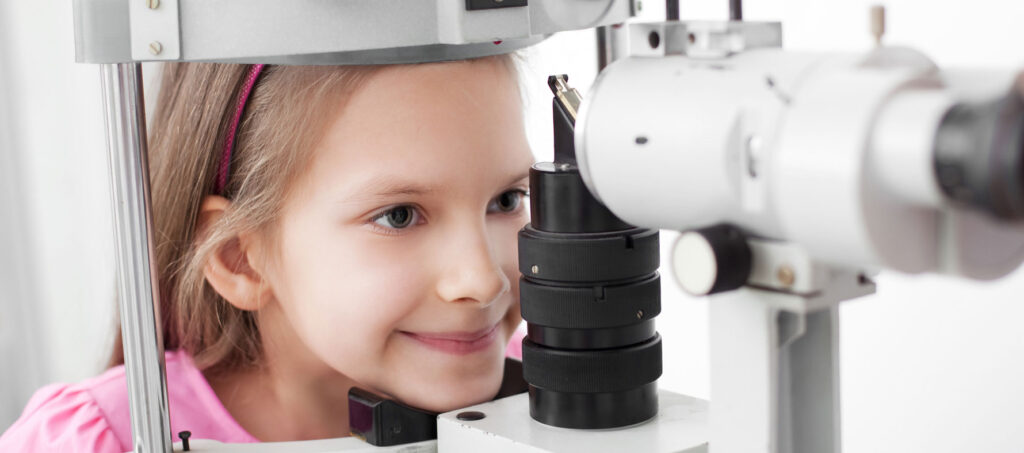
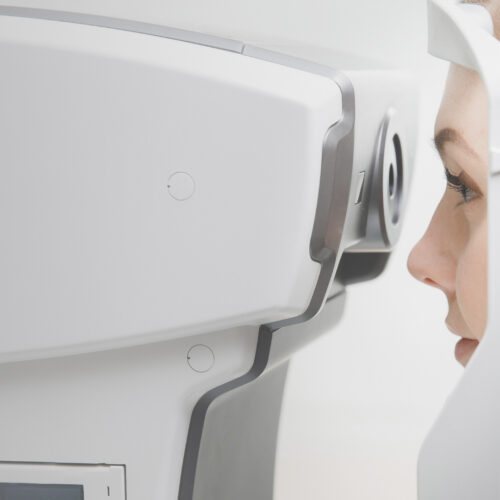
Before the actual surgery, your eye doctor will conduct a series of tests to assess the health of your eyes and plan the procedure. These tests help ensure the best possible outcome by measuring the shape and size of your eye, as well as the degree of cataract development.
- Vision Test: This helps determine the clarity of your vision and the extent to which your cataracts are affecting your eyesight.
- Eye Measurements: The doctor measures the size of your eye and the curvature of your cornea to select the appropriate intraocular lens (IOL) for your needs.
- Retina and Corneal Health Check: Your retina and cornea will be examined to ensure there are no underlying conditions that could affect your vision after surgery.
These tests typically take place a few days or weeks before your scheduled surgery and usually last about an hour.
Preparation Steps
In the days leading up to your cataract surgery, there are a few important steps to follow to prepare for the procedure:
- Medications: Your doctor may ask you to stop taking certain medications, especially blood thinners, to reduce the risk of bleeding during surgery.
- Eye Drops: You will be prescribed special eye drops to reduce inflammation and prevent infection before and after the surgery.
- Fasting: You may be asked not to eat or drink for several hours before the surgery to ensure your stomach is empty.
What Patients Should and Shouldn’t Do
In the days leading up to your cataract surgery, here’s a general guideline for what you should and shouldn’t do:
- Do: Follow your doctor’s instructions carefully, especially regarding the use of eye drops and stopping certain medications.
- Don’t: Wear makeup or eye makeup on the day of surgery, as it can increase the risk of infection. Also, avoid wearing contact lenses for several days prior to the procedure.
During Cataract Surgery
How the Procedure Is Performed
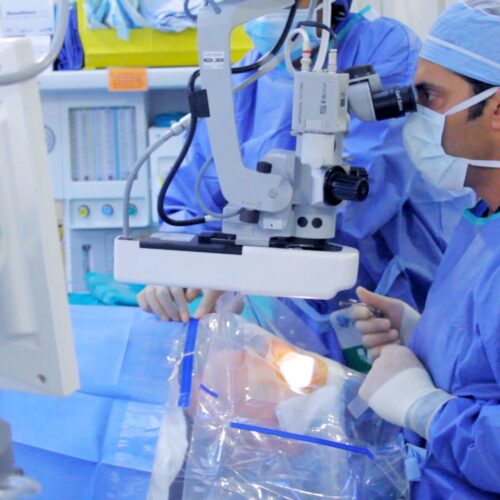
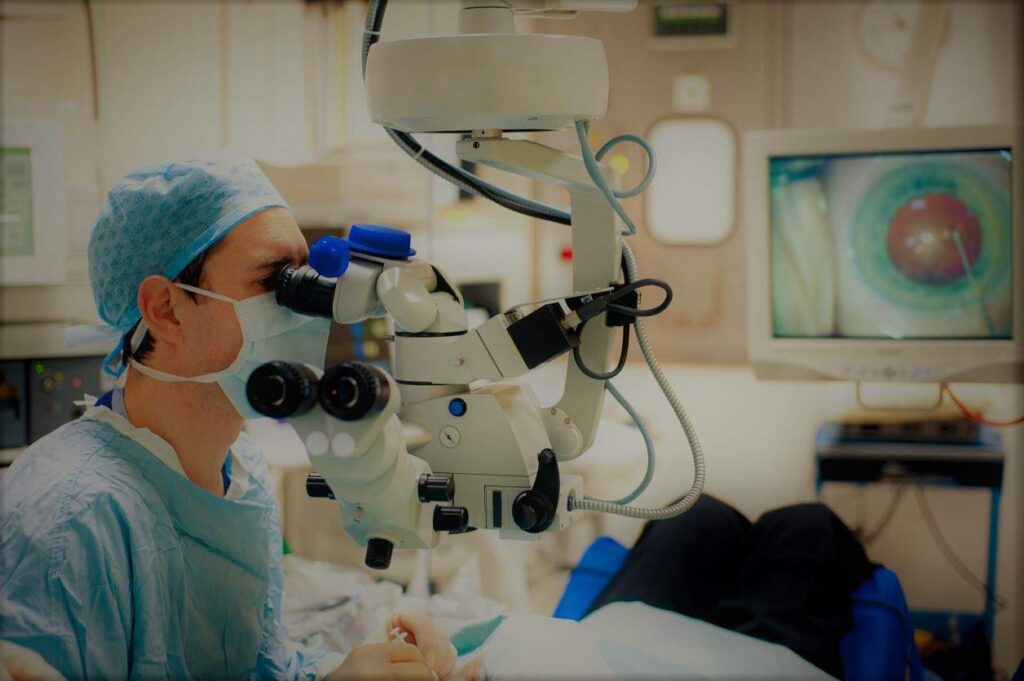
Cataract surgery is usually performed as an outpatient procedure, meaning you can go home the same day. The entire procedure typically lasts between 15 to 30 minutes per eye. Here’s a step-by-step breakdown of how the surgery is performed:
- Anaesthesia: Local anaesthesia in the form of eye drops is used to numb the area around the eye. You’ll be awake during the surgery but won’t feel any pain.
- Incision: The surgeon makes a tiny incision, usually about 2 to 3 millimetres, in the cornea to access the cloudy lens.
- Lens Removal: The cloudy lens is carefully broken up using ultrasound or a laser and then removed from the eye. This process is called phacoemulsification.
- Lens Insertion: The artificial intraocular lens (IOL) is then inserted into the lens capsule, the space where the natural lens once was.
- Closing the Incision: The small incision made in the cornea is so tiny that it usually does not require stitches. It heals on its own.
Throughout the procedure, you may feel some pressure but should not experience pain. The surgery is fast, precise, and generally very well tolerated.

Pain Management and Duration
Cataract surgery is typically painless due to the use of local anaesthesia. Most patients experience mild pressure or sensations during the procedure, but no significant discomfort. The entire surgery typically lasts only 15 to 30 minutes, and you will remain awake throughout, although you may be given mild sedatives to help you relax.
What Patients Experience During Surgery
During the surgery, patients are usually awake, but they are often given a sedative to help them feel calm. The experience is not painful, but you may experience some visual sensations, like seeing bright lights or shapes as the surgeon works on your eye. It’s important to follow the surgeon’s instructions to keep your eye still.
After Cataract Surgery
Recovery Timeline
While cataract surgery itself is quick, recovery time varies for each patient. Here’s what to expect during the recovery period:
- Immediately After Surgery: You may feel some mild discomfort, like a scratchy or gritty feeling in the eye. This usually improves within a few hours.
- First 24-48 Hours: Vision might be blurry at first, but you will begin to notice improvement as the eye heals.
- Week 1: Most patients see significant improvement in vision and can return to normal activities, although heavy lifting or strenuous activity should be avoided.
- Weeks 2-4: By this point, your eye will be healing more quickly, and your vision will continue to improve. Many patients are able to resume most activities by the end of this period.
- 6-8 Weeks: Full recovery typically occurs within 6 to 8 weeks, though some minor adjustments to vision may continue during this period.
Vision Changes
Most patients experience significant improvement in vision shortly after cataract surgery. While you may still need reading glasses for close-up tasks, many people no longer require glasses for distance vision. Vision may fluctuate for a few days to weeks, but this is normal as the eye heals.
Post-Operative Care and Restrictions
After the surgery, your doctor will provide instructions for caring for your eye during the recovery period. This typically includes:
- Eye Drops: You will need to use prescription eye drops for several weeks to reduce inflammation and prevent infection.
- Avoid Rubbing Your Eye: It’s important to avoid rubbing your eye, especially in the first few days, as this can disrupt the healing process.
- Wear a Shield: You may need to wear an eye shield while sleeping to prevent accidental pressure or rubbing on the eye.
- Avoid Strenuous Activities: Refrain from activities like heavy lifting or vigorous exercise for a short period after surgery.
Benefits and Success Rates
Cataract surgery boasts an impressive success rate of over 95%. Most patients experience significant improvements in vision and quality of life. Benefits of cataract surgery include:
- Clearer Vision: Restores the ability to see clearly and brightly, often improving contrast sensitivity and reducing glare.
- Improved Quality of Life: Patients can enjoy activities like reading, driving, and seeing faces clearly again.
- Short Recovery Time: Most people return to normal activities within a few weeks with minimal discomfort.
Possible Risks and Side Effects
Though cataract surgery is safe, there are some risks and potential side effects. These include:
- Infection: As with any surgery, there’s a slight risk of infection. This can usually be avoided with proper post-operative care and eye drop usage.
- Inflammation: Some swelling or discomfort is common but generally temporary.
- Vision Changes: In rare cases, cataract surgery can lead to glare, halos, or other vision disturbances. Most of these symptoms improve over time.
- Retinal Detachment: This is a rare but serious complication. It occurs in less than 1% of cases and requires immediate medical attention.
When to Contact Your Eye Doctor
It’s important to stay vigilant during your recovery. Contact your eye doctor if you experience any of the following:
- Increased pain or discomfort that doesn’t subside
- Vision loss or severe blurriness
- Redness or swelling in the eye that worsens
- Flashes of light or a sudden increase in floaters
These symptoms may indicate a complication that requires immediate attention.
Conclusion: Restoring Clear Vision with Cataract Surgery
Cataract surgery is a safe, effective, and relatively quick procedure that offers life-changing improvements in vision. While the surgery itself typically takes only 15 to 30 minutes, the full recovery process can take several weeks, with most people enjoying significant vision improvement soon after the procedure. By understanding what happens before, during, and after cataract surgery, you can approach the experience with confidence and reassurance.
If cataracts are affecting your vision, cataract surgery may be the key to restoring clarity and improving your quality of life.
FAQs
1. How long does cataract surgery take?
Cataract surgery typically takes around 15 to 30 minutes per eye. It’s a quick procedure performed under local anaesthesia, so you remain awake but comfortable. The surgery is usually completed within this time frame, and patients are typically able to go home the same day.
2. How long does recovery take after cataract surgery?
Full recovery from cataract surgery generally takes about 4 to 6 weeks. Most people experience significant improvement in vision within a few days, but it may take a few weeks for the eye to fully heal and for vision to stabilise.
3. Is cataract surgery painful?
Cataract surgery is generally not painful. Local anaesthesia numbs the eye, and most patients experience only mild pressure or sensations during the procedure. After the surgery, some discomfort or a scratchy feeling in the eye is common but usually temporary.
4. Can I drive immediately after cataract surgery?
You should avoid driving on the day of surgery and for a few days afterward. Vision may be blurry or unstable during the initial recovery period. Most people are able to drive again after a week or so, but this will depend on your individual recovery and the advice of your eye doctor.
5. Will I need glasses after cataract surgery?
Many patients no longer need glasses for distance vision after cataract surgery, especially if they opt for a multifocal or accommodating IOL. However, reading glasses may still be necessary for close-up tasks, depending on the type of intraocular lens used. Your doctor will discuss your options beforehand.